Getting Started with AI Learningشروع یادگیری با هوش مصنوعی
A practical guide to using AI as a structured learning partner instead of a shortcut.یک راهنمای کاربردی برای استفاده از هوش مصنوعی به عنوان همراه یادگیری ساختارمند، نه میانبر.
AI can make learning faster, but speed is not the same as understanding. The useful question is not "Can AI answer this?" The useful question is "Can AI help me think, practice, and remember better?"
Start by treating AI as a study partner with a job description.
The three roles
- Explainer: ask for a clear explanation, then ask for one analogy and one counterexample.
- Coach: ask it to quiz you, wait for your answer, and give feedback.
- Editor: ask it to find weak reasoning, unclear wording, or missing steps.
Do not let one chat do all three roles at once. A focused role makes the output easier to judge.
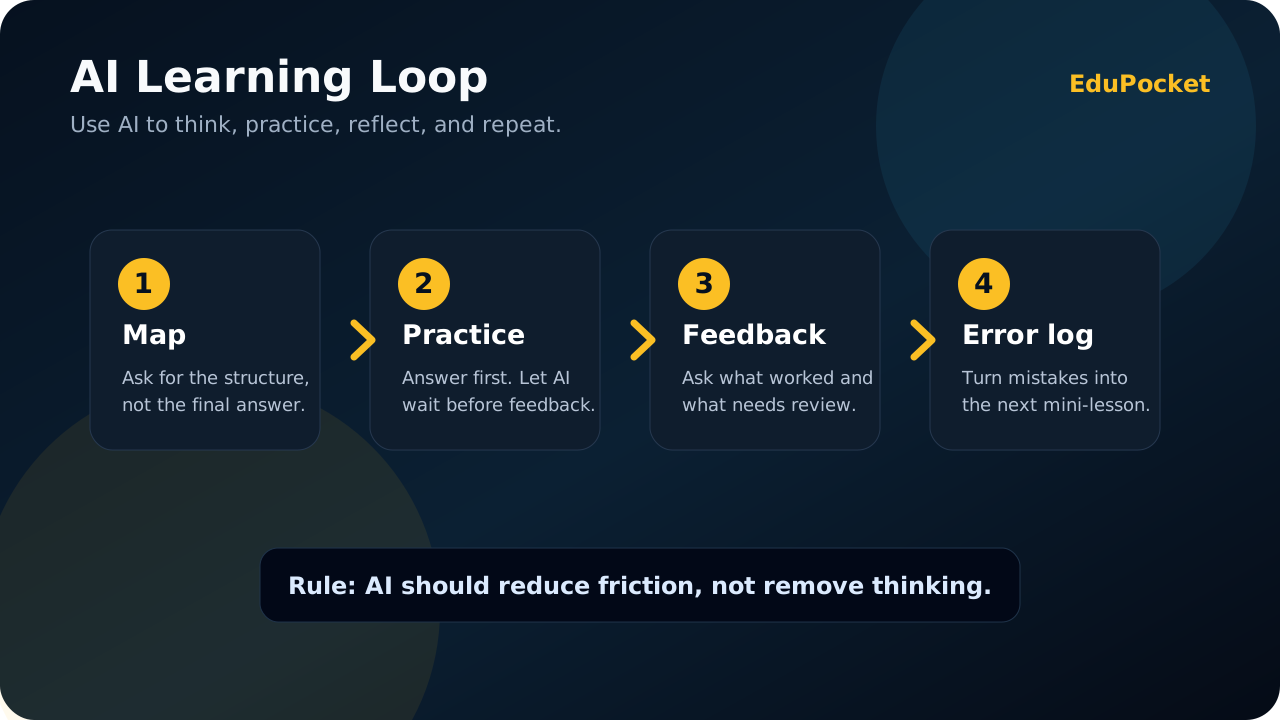
A simple workflow
Use this loop for any topic:
| Step | Action | Output |
|---|---|---|
| 1 | Ask for a map | Main ideas and prerequisites |
| 2 | Learn one part | Short explanation and example |
| 3 | Practice | Questions without answers first |
| 4 | Reflect | Error log and next revision |
The error log is the part most learners skip. That is where the system becomes personal.
A prompt that works
Teach me this topic as a coach.
First, give me a short map.
Then ask me one question at a time.
Wait for my answer before giving feedback.
Track my mistakes in an error log.
What to avoid
- Copying answers before you try.
- Asking for summaries without testing recall.
- Accepting confident claims without checking sources.
- Turning every learning session into prompt collection.
AI should reduce friction, not remove thinking.
The goal is not to become dependent on AI. The goal is to build a repeatable learning loop: plan, learn, practice, reflect, and revise.
هوش مصنوعی میتواند یادگیری را سریعتر کند، اما سرعت همیشه به معنی فهمیدن نیست. سؤال مفید این نیست که «آیا AI میتواند جواب بدهد؟» سؤال مفید این است: «آیا AI میتواند کمک کند بهتر فکر کنم، تمرین کنم و به خاطر بسپارم؟»
از اینجا شروع کن: با AI مثل یک همراه مطالعه رفتار کن که وظیفه مشخص دارد.
سه نقش اصلی
- توضیح دهنده: یک توضیح روشن بخواه، بعد یک مثال، یک تشبیه و یک مثال نقض بگیر.
- مربی: از آن بخواه از تو سوال بپرسد، منتظر جواب بماند و بعد بازخورد بدهد.
- ویرایشگر: از آن بخواه استدلال ضعیف، جمله مبهم یا مرحله جاافتاده را پیدا کند.
اجازه نده یک گفتگو همه نقشها را همزمان انجام دهد. نقش متمرکز، خروجی قابل قضاوتتری میسازد.
یک روند ساده
برای هر موضوع این چرخه را استفاده کن:
| مرحله | کار | خروجی |
|---|---|---|
| 1 | نقشه بخواه | ایده های اصلی و پیش نیازها |
| 2 | یک بخش را یاد بگیر | توضیح کوتاه و مثال |
| 3 | تمرین کن | سؤالها اول بدون جواب |
| 4 | بازتاب کن | دفتر خطا و مرور بعدی |
دفتر خطا همان بخشی است که بیشتر زبانآموزها و دانشجوها حذف میکنند. اما دقیقاً همانجاست که سیستم شخصی میشود.
یک پرامپت مفید
این موضوع را مثل یک مربی به من یاد بده.
اول یک نقشه کوتاه بده.
بعد هر بار فقط یک سوال بپرس.
قبل از بازخورد، منتظر جواب من بمان.
اشتباهاتم را در یک دفتر خطا ثبت کن.
از چه چیزهایی دوری کنیم
- قبل از تلاش، جواب آماده را کپی نکن.
- فقط خلاصه نخواه؛ یادآوری فعال را تست کن.
- ادعاهای مطمئن را بدون بررسی منبع قبول نکن.
- هر جلسه یادگیری را تبدیل به جمع کردن پرامپت نکن.
هوش مصنوعی باید اصطکاک را کم کند، نه فکر کردن را حذف کند.
هدف وابسته شدن به AI نیست. هدف ساختن یک چرخه قابل تکرار است: برنامه ریزی، یادگیری، تمرین، بازتاب و اصلاح.